Why Post-Construction Cleaning Is Essential After Any Renovation Project
The contractors packed up yesterday. The new tile looks great, the fresh paint still smells faintly in the hallway, and the plastic sheeting is finally down. Then you run a finger along the top of a door frame and it comes back gray. You wipe the kitchen counter, and an hour later a thin film is back. That film is the part of a renovation nobody warns you about, and it does not stay where the work happened.
But know this before you grab a regular duster: construction dust is not normal household dust, and it does not behave like it. It is finer, heavier in spots, and loaded with particles that keep settling for days after the last tool goes quiet. After years of cleaning homes across Snohomish County right after remodels, we can tell you the mess on the surface is usually the smallest part of the problem. Post construction cleaning exists because the dust you cannot see is the part that lands in your lungs, your vents, and the finishes you just paid to install.
What a Renovation Actually Leaves Behind
Drywall dust is the main culprit, and it is sneaky. Sanding joint compound creates a powder so fine it stays airborne for hours. Gypsum particles measure only a few microns across, small enough to drift through an open door and ride your heating system into rooms two or three doors down from the work. So the spare bedroom upstairs ends up coated even though nobody touched it.
Sawdust and wood shavings fall faster, but wedge into baseboards, cabinet hinges, and the tracks of sliding doors. Tile and grout work adds a gritty silica dust that scratches glass and finished surfaces if you wipe it dry. Paint overspray leaves a fine speckle on windows and fixtures. Caulk and adhesive residue dries into hard spots a damp rag will not lift.
Then there is the part most people miss. Fine dust gets pulled into your HVAC return the moment the system kicks on. Once it coats the coil and lines the ducts, every cycle pushes a little back into the air for weeks. We have walked into homes a month after a remodel where the visible surfaces looked fine but the vents were still breathing out a gray haze.
Why a Regular Cleaning Does Not Fix It
Reaching for your normal Saturday routine is the most common mistake, and it usually spreads the mess instead of removing it. A dry duster lifts fine dust into the air, where it floats and lands again somewhere new. You think you cleaned the shelf. You actually moved the dust to the floor and into the air you breathe.
Vacuuming with a standard household filter is the second trap. Construction dust is fine enough to pass straight through a basic filter and blow right back out the exhaust, so you end up redistributing it. A vacuum needs a sealed system and a fine filter to actually hold gypsum and silica instead of recirculating it.
The third mistake is wiping grit dry. Drag a dry cloth across a new quartz counter or a glass shower panel with silica dust on it and you grind in fine scratches that catch the light forever after. That surface needed to be rinsed and lifted, not buffed.
How We Approach a Post Construction Clean
We work top down and dirty to clean every time, because gravity does half the job for you if you respect it. Dust falls. Clean a ceiling fan or the top of a cabinet last, and everything you knock loose lands on the floor you already finished. So we start high, move low, and save the floors for the end.
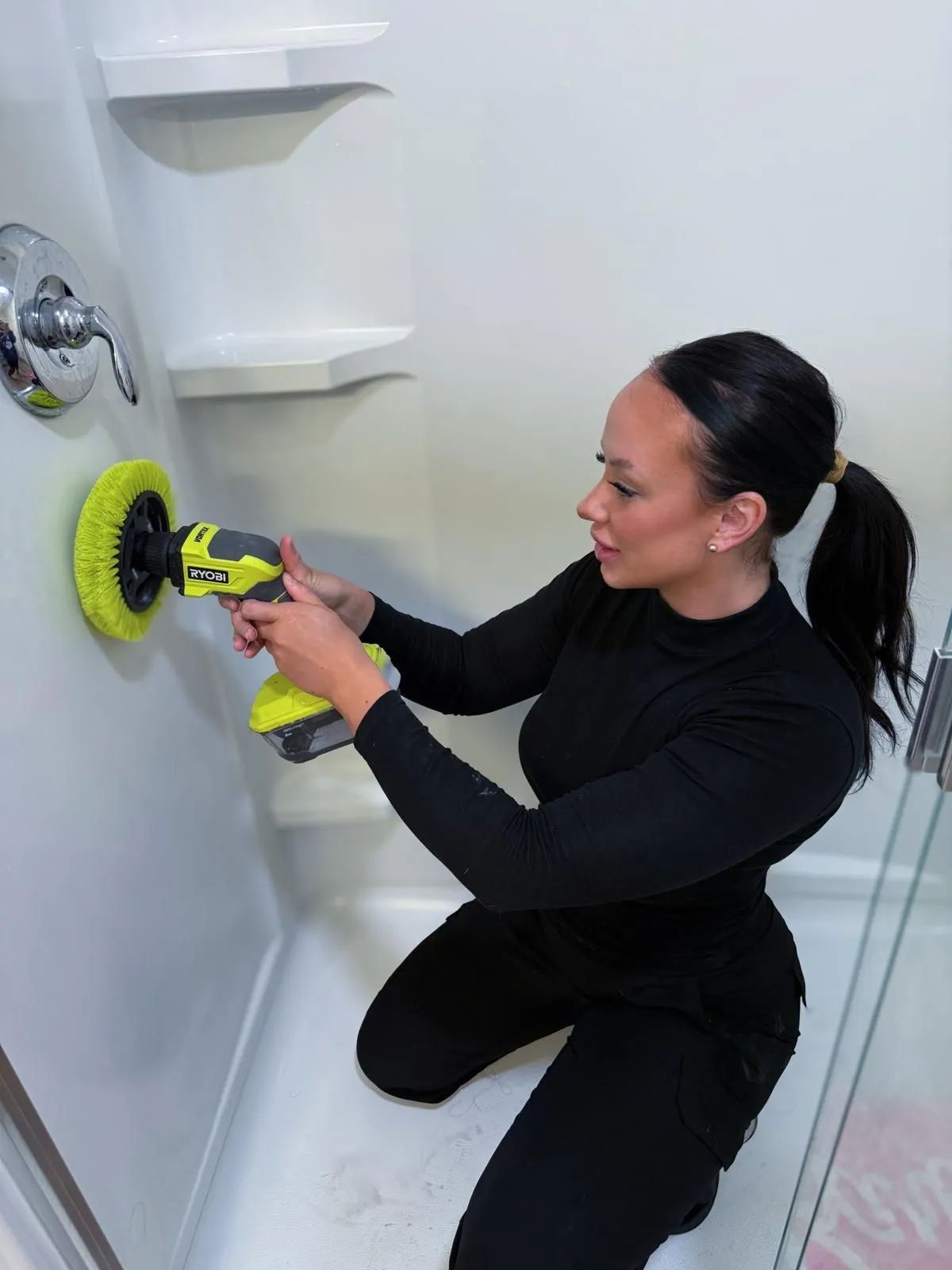
The first pass is dry collection with sealed vacuums that hold fine particles rather than blowing them around. We get the vents, the tops of trim, the insides of new cabinets, and the corners where powder settles. Only after the loose dust is captured do we move to damp work, wiping surfaces with the right cloth and the right amount of moisture so grit lifts away instead of scratching in.
Glass and windows get extra attention, since overspray and silica film smear easily and are hard to undo. We also check the spots homeowners rarely think about: the top edge of interior doors, light fixture housings, return air grilles, and the channels under sliding doors. On nearly every job, those hidden spots hold more dust than the open rooms.
Why Mukilteo Homes Hold Renovation Dust Longer
The marine air off Puget Sound is the local factor that changes everything about cleaning up after a remodel here. Mukilteo sits right on the water, and the damp, heavy air keeps fine dust suspended longer than it would in a dry climate. Moisture also makes drywall dust cling. Instead of brushing off cleanly, it bonds into a thin film on glass, trim, and counters that needs proper wiping to release.
Our long wet season makes it worse. Closed up houses through the rainy months trap whatever the renovation kicked up, and the HVAC runs more, which pulls more dust into the ducts and pushes it back out. Homes near Old Town and along the waterfront deal with salt air on top of the humidity, leaving a sticky residue that grabs dust and holds it on the windows and frames that face outside.
Newer builds out toward Harbour Pointe are tighter and better sealed, which sounds good but means less natural air exchange to clear fine particles on its own. In a tight house, the dust has nowhere to go until someone removes it. A remodel here often needs more thorough cleanup than the same job would in a drier, breezier place.
What Happens If You Skip the Cleanup
The harm from skipping a proper cleanup shows up slowly, which is exactly why it gets ignored. Fine silica and gypsum in the air irritate lungs, sinuses, and eyes, and the particles linger for weeks in a sealed home. Anyone in the house with asthma or allergies feels it first.
Left on finishes, the same dust does quiet damage. Grit under a dry cloth scratches new counters and glass. Dust packed into cabinet hinges and door tracks wears moving parts faster. And dust drawn into your heating system can clog the filter early and coat the coil, making the whole system work harder. A remodel is a real investment, and leftover dust quietly grinds away at it.
Frequently Asked Questions
How long after a renovation should the cleaning happen?
Wait until all dust producing work is fully done, including final sanding and paint. Dust keeps settling for days, so a clean done too early just gets recoated. We usually do the deep clean once the last tool is put away, giving loose particles time to drift down and gather where we capture them.
Can I just clean it myself with my own vacuum?
You can try, but a standard home vacuum often blows fine dust back into the air through its filter. Without a sealed system and damp methods, you tend to spread construction dust around rather than remove it for good. Fine gypsum and silica slip through basic filters and resettle within hours on cleaned surfaces.
Is renovation dust actually a health risk?
Yes. Fine gypsum and silica particles are small enough to breathe deep into your lungs, and the same dust irritates sinuses and eyes. In a sealed Mukilteo home through the wet season, that dust hangs in the air far longer than you would expect, which is why a thorough cleanup protects everyone living inside.
Why does dust show up in rooms far from the work?
Construction dust is light enough to drift on air currents and ride your heating system into rooms well away from the project. The moment your HVAC runs, it carries fine particles through the ducts and settles them across the whole house. So a back bedroom nobody even entered can end up just as coated.
Do new and older homes need different cleaning after a remodel?
Yes. Tighter newer homes near Harbour Pointe trap dust because less air moves through naturally. Older homes near Old Town leak more air but collect dust in worn trim and gaps. We adjust our approach to match how each home holds particles, checking the spots where each style of home hides the most dust.
Your Local Specialists in Spotless Post Renovation Results
The dust you can see after a remodel is the smallest part of what is actually there. Fine particles in your air, your vents, and your finishes are the part that lingers and does the real harm, and the damp marine air around Mukilteo keeps that dust hanging around longer than almost anywhere else. A renovation here needs a cleanup built for the conditions, not a quick wipe down.
That is the work we have done for more than 15
years. At Premier Custom Cleaning, we handle
post construction cleaning
for homes across Mukilteo, Washington. If your remodel is wrapping up and you want the dust gone for good, not just moved around, reach out and we will get your home truly finished.