The Hidden Spots a Deep Clean Targets That Daily Tidying Misses
Quick Answer: Daily tidying handles what you can see: countertops, floors, the surfaces your hands touch every day. It rarely touches the places where grease, dust, and moisture actually build up, like behind appliances, inside vent covers, along baseboards, around faucet bases, and deep in carpet fibers. In a wet climate like Snohomish County's, those same spots trap moisture faster than they would somewhere drier, which is exactly why a deep clean does work that regular tidying was never built to do.
Why a Tidy Room Isn't the Same as a Clean One
Walk into a living room right after someone's straightened the cushions and cleared the coffee table, and it looks done. It isn't. Tidying rearranges what's visible. It doesn't touch the dust that's settled into the carpet pile over the last six weeks, or the grease film that's been quietly building on the cabinet fronts above the stove since the last time anyone climbed up there with a degreaser.
Here's the part most people get wrong: the room that looks the messiest isn't always the one with the most buildup. Bathrooms get scrubbed constantly because grime there is obvious: soap scum, water spots, the stuff you can't ignore. Kitchens get wiped down after every meal. But a national study on household germ hot spots found that kitchens, not bathrooms, tend to carry the heaviest contamination in most homes, precisely because the areas people clean the most are the ones they trust the most and inspect the least. The counters get wiped. The sponge sitting in the dish rack doesn't.
That gap between "looks clean" and "is clean" is the whole reason deep cleaning exists as a separate service instead of just a longer version of the weekly routine.
The Kitchen Spots a Quick Wipe-Down Never Reaches
A wipe-down covers counters, the stovetop, maybe the outside of the fridge. It stops there. Grease doesn't.
Cabinet fronts above and beside the range collect a thin, sticky film every time something fries or simmers, and that film grabs dust out of the air and turns it into a texture you can feel with your fingertips. Most people never notice it building because it happens a little at a time. Inside the oven, baked-on residue accumulates layer over layer until a single cleaning session can't fully lift it. It takes repeated, focused attention. Behind and underneath the refrigerator, dust mixes with dropped food particles and pet hair into a mat that most households haven't disturbed in over a year.
Then there's the stuff people touch constantly and clean rarely. The dish sponge or rag sitting by the sink is, according to that same household germ study, one of the most heavily contaminated items in an average home. More than 75% of sponges and rags tested carried significant bacterial loads. Faucet handles aren't far behind; researchers found staph bacteria on roughly a quarter of the ones they swabbed. Nobody thinks to scrub the base of a faucet or replace a sponge on schedule, because neither one looks dirty. They just are.
A deep clean also gets into the garbage disposal, the grout lines on the backsplash, and the vent above the range. All three trap grease and odor long after the visible mess has been cleaned up around them.
Bathroom Buildup That Hides in Plain Sight
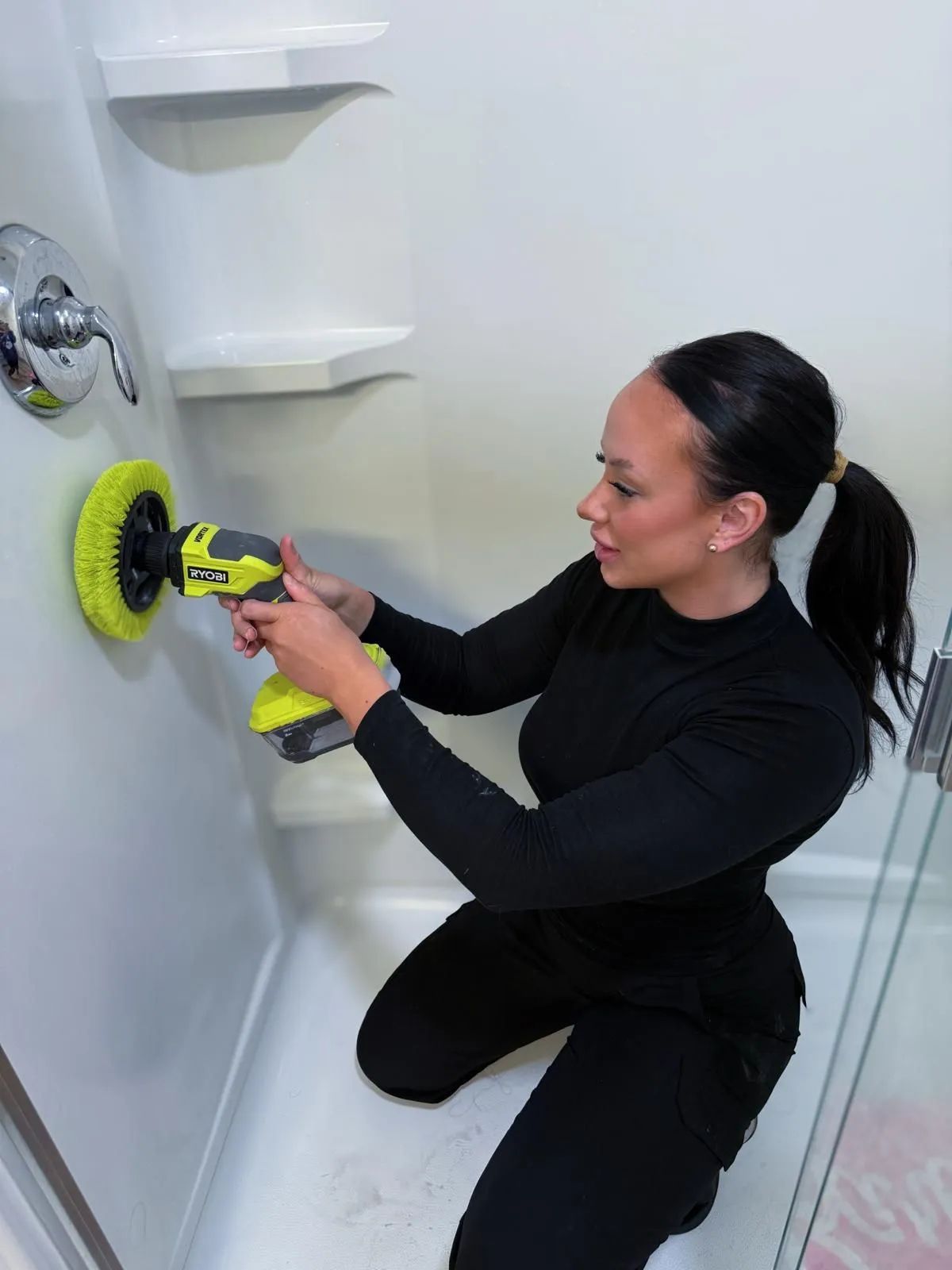
Bathrooms get more attention than almost any other room, and they still hide a surprising amount. The mineral scale that forms around a faucet base or showerhead builds slowly enough that most people adjust to it without registering the change. Grout lines darken the same way, a shade at a time, over months, until the difference between clean grout and neglected grout becomes obvious only in a side-by-side comparison.
The exhaust fan is the one almost everyone skips. Dust coats the blades and housing, and in a bathroom that's already carrying moisture from daily showers, that dust doesn't just sit there. It clumps, and it can start feeding mildew growth right at the point where the fan is supposed to be pulling humid air out of the room.
Tip: Turn off the fan at the breaker before removing the cover, and vacuum the blades gently with a brush attachment rather than wiping them — wiping a dusty fan blade just smears the buildup into a paste that's harder to remove later.
Under the sink is its own overlooked zone. Cabinet interiors trap moisture from minor drips, cleaning product residue, and whatever gets tracked in on cleaning caddies, and that combination creates a musty smell long before anyone spots visible mold. A deep clean pulls everything out, wipes down the cabinet floor and walls, and lets the space actually air out, something that never happens during a routine pass.
Dust, Pollen, and What the Pacific Northwest Adds to Every Surface
Snohomish County doesn't make this easier. Between the rainy months and the pollen that rolls through in spring, homes here accumulate a specific mix of grit and organic debris that drier climates simply don't deal with. Shoes track in fine sediment during the wet season. Windows and screens catch pollen that then drifts onto sills, blinds, and window tracks, where it sits until someone specifically goes looking for it.
Carpet takes the worst of it. Federal indoor air guidance describes carpet as a reservoir: it holds dust, dirt, pollen, and mold spores rather than shedding them the way a hard floor does, and that buildup accumulates faster than most vacuuming schedules can keep pace with. A quick pass with a vacuum lifts surface debris off the top of the pile. It doesn't pull what's worked its way down near the backing, which is where the bulk of it ends up after a few months of regular foot traffic.
Blinds and window tracks tell the same story in miniature. Dust and pollen settle into every slat and channel, and because they're vertical and easy to overlook, most households don't touch them between deep cleans. Run a finger along the top of a blind slat that hasn't been touched in two months, and you'll feel exactly what daily tidying missed.
Vents, Fans, and the Systems Moving Dust Around Your House
Every home has a handful of mechanical systems that move air, and dust with it, through rooms all day without anyone thinking about it. Ceiling fan blades collect a felt-like layer that gets flung into the room every time the fan spins up. HVAC vent covers and returns pull dust out of the air and hold onto a portion of it, building a visible gray ring around the grille that most people don't notice until it's thick enough to see from across the room.
Baseboard heaters work the same way, drawing dust in along the bottom edge where it's least visible and easiest to ignore.
Warning:
Dryer vents deserve more attention than most households give them. Lint doesn't stop at the trap you empty after every load. It builds up inside the dryer drum housing and along the full length of the exhaust duct, where it gradually restricts airflow. Federal fire-safety guidance identifies dryer lint buildup as a leading contributor to dryer-related fires, and the risk climbs the longer that duct goes uncleaned. If your dryer is taking noticeably longer to finish a load than it used to, that's usually the vent telling you it's overdue.
Between the fan blades, the vent covers, and the duct work behind the dryer, these systems don't just get dusty. They actively spread what they've collected every time they run.
Setting a Deep Clean Rhythm That Actually Keeps Up
None of this means daily tidying is pointless. It keeps a home livable, and it's the reason the dishes don't pile up and the entryway doesn't turn into a shoe graveyard. But tidying and deep cleaning are two different jobs, and treating them as the same task is how baseboards go two years without a wipe.
A seasonal rhythm tends to work best here, timed loosely around what the Pacific Northwest throws at a home. Late winter, right before pollen season ramps up, is a natural point to reset vents, blinds, and carpet before the next wave of allergens arrives. A second pass after the wettest stretch of fall and early winter catches whatever moisture and tracked-in debris built up while everyone was in and out of the house more than usual. Kitchens with heavy daily use, a household that cooks most nights, say, benefit from more frequent attention to the grease-prone zones specifically, even if the rest of the house is on a longer cycle.
The exact schedule matters less than having one. A home that gets a real deep clean twice a year rarely reaches the point where baseboards need scraping or a dryer vent needs a full teardown. A home that never gets one eventually does.
Frequently Asked Questions
What actually separates a deep clean from a regular cleaning visit?
Regular cleaning maintains visible, frequently used surfaces. Deep cleaning targets accumulated buildup in overlooked areas such as baseboards, appliance interiors, behind furniture, vent covers, fixtures, and other hard-to-reach spaces.
Which rooms usually need the most attention during a deep clean?
Kitchens and bathrooms typically need the most attention because they experience grease, moisture, and frequent use. Living rooms and bedrooms also benefit from deep cleaning, especially carpets, blinds, baseboards, and ceiling fans.
Do dryer vents and ducts really belong in a deep clean?
Yes, dryer ducts can accumulate lint beyond the removable filter. This buildup restricts airflow and increases fire risk. Longer drying times can indicate the vent needs professional cleaning and closer attention.
How often does a home in Snohomish County actually need a deep clean?
For many Snohomish County homes, twice-yearly deep cleaning provides a practical reset. Scheduling one before spring pollen season and another after fall and winter can help manage accumulated dust, moisture, and debris.
Can I handle most of this myself between professional visits?
Yes, homeowners can manage tasks such as wiping blinds, vacuuming under furniture, and cleaning lint filters. However, detailed carpet cleaning, dryer ducts, and difficult-to-reach areas often require specialized equipment and professional attention.
Why Deep Cleaning Reaches What Tidying Misses
Daily tidying keeps the home presentable, but deep cleaning addresses the gradual buildup that hides beyond everyday sight. In Mukilteo and across Snohomish County, moisture, tracked-in debris, pollen, and frequent indoor activity can make overlooked areas collect grime faster than expected. From cabinet surfaces and faucet bases to vent covers, blinds, and carpet fibers, these spaces need focused attention rather than a quick wipe. That distinction is what makes a deep clean valuable: it restores areas that routine cleaning simply does not have time to reach.
For more than 15
years, Premier Custom Cleaning
has served Mukilteo, WA, with an understanding of the cleaning challenges local homes face. A thorough
deep-cleaning
routine can reset neglected spaces, including baseboards, appliance areas, window tracks, bathroom fixtures, and other hidden surfaces. Once those details receive proper attention, maintaining the home becomes easier because there is less accumulated buildup for regular cleaning to manage. It creates a cleaner, fresher baseline without confusing everyday tidying with the more detailed work a home occasionally needs.